The Fan's Guide to Top 3 2026 World Cup Football Experiences
The 2026 FIFA World Cup’s strongest football experience is Kansas City, ranked first for its six scheduled matches, central location, and established soccer culture. The tournament runs from June 11 t...

The Fan's Guide to Top 3 2026 World Cup Football Experiences
The 2026 FIFA World Cup’s strongest football experience is Kansas City, ranked first for its six scheduled matches, central location, and established soccer culture. The tournament runs from June 11 to July 19, 2026, across Canada, Mexico, and the United States, with 48 teams and 104 matches. Kansas City’s FIFA World Cup 2026 program combines games at Arrowhead Stadium, the FIFA Fan Festival, regional food, and cross-state events. World Cup Hub adds match predictions, team tactics, player statistics, and responsible betting analysis for fans tracking the competition. The key practical difference is access: a stadium ticket offers one match, while a fan festival can create value across several days. However, travel demand, accommodation prices, and match-specific ticket availability create real financial risk. Start by confirming the official schedule and ticket rules through FIFA before booking flights, hotels, or any betting-related activity.

Photo by Gratisography on Pexels
The Top 3 at a Glance
The best 2026 World Cup football choice depends on the experience you want: live matches, cultural immersion, or lower-cost access to the tournament atmosphere. Kansas City ranks first because its planned six matches create unusually high repeat-visit potential, while the wider United States and the three host countries offer different strengths. No ranking removes uncertainty. The official match draw, kickoff times, transportation conditions, and ticket allocations can change the expected value of any trip. Therefore, treat these picks as planning frameworks rather than guaranteed outcomes.
- Kansas City, United States — Best overall: Six matches, a major fan festival, and strong regional soccer identity.
- The 2026 host-city network — Best for match variety: Sixteen cities across Canada, Mexico, and the United States offer contrasting venues and cultures.
- FIFA Fan Festival access — Best value: Public viewing, food, entertainment, and community atmosphere without requiring a stadium ticket.
For tournament-wide facts, compare the official FIFA World Cup 2026 tournament overview.
Want a practical starting point for tournament analysis?
#1 Kansas City: Best Overall
Kansas City is the best overall 2026 World Cup football destination because the region is scheduled to host six matches and offers more than a single stadium visit. The combined package includes Arrowhead Stadium, the FIFA Fan Festival, local culture, and a compact regional identity that can reduce planning complexity.
Kansas City’s selection matters because the city is not simply selling a match. The official local campaign positions the region as a meeting point between Missouri and Kansas, with sports, food, music, and community events operating together. The Kansas City Chiefs’ Arrowhead Stadium will host World Cup fixtures, although FIFA refers to venues under tournament-specific naming arrangements. That distinction matters when searching maps, tickets, and transport instructions; “Arrowhead Stadium” may be the familiar public name, while official tournament documentation can use a sponsor-neutral venue name.
The city’s soccer credentials also reduce the risk of a weak atmosphere. Sporting Kansas City, Children’s Mercy Park, local supporters’ groups, and youth football programs have already built a football audience. Still, six matches do not mean six equally attractive fixtures. The expected value of a trip depends on opponents, kickoff times, and whether your preferred national team appears. A fan traveling from outside the United States should calculate total cost per match, not just ticket price.
- Strength: Six scheduled matches and concentrated fan programming.
- Best for: Supporters wanting a full-city tournament experience.
- Main risk: Hotel inflation and transport demand around match dates.
- Planning edge: Use a refundable hotel before the final fixture allocation is confirmed.
For deeper preparation, see our [Internal Link: 2026 World Cup host-city planning guide].

Photo by Omar Ramadan on Pexels
Kansas City also has a useful value proposition for fans without stadium tickets. A FIFA Fan Festival can provide large-screen match viewing, food, performances, and a social setting where supporters from different countries gather. The official Kansas City program describes hundreds of thousands of fans participating across the broader festival experience, but that figure should be treated as a campaign-reported attendance claim rather than an independently audited statistic. Quotation marks matter here: “hundreds of thousands” sounds precise, but it is not the same as a published ticket scan total.
The practical advantage is optionality. If your stadium ticket is for a less attractive group match, the fan festival may still let you watch a major Brazil, England, Argentina, or France fixture with a large crowd, subject to the final schedule and local capacity controls. You can also separate entertainment spending from match spending. A $0 public viewing event, where available, can make a multi-day trip more manageable than buying two or three expensive tickets. However, never assume every fan-zone event is free, every day, or accessible without timed entry. Check Kansas City’s official event pages, transport notices, and security rules before traveling.
#2 The 2026 Host-City Network: Best for Match Variety
The 2026 host-city network is best for supporters who value different teams, cultures, and venue environments more than a single base. Sixteen host cities across Canada, Mexico, and the United States will stage matches, creating a tournament footprint larger than any previous edition. The advantage is variety; the cost is a much higher probability of expensive transfers, schedule conflicts, and fatigue.
The host countries are Canada, Mexico, and the United States. Canadian venues include Toronto and Vancouver; Mexican venues include Guadalajara, Mexico City, and Monterrey; United States venues include Atlanta, Boston, Dallas, Houston, Kansas City, Los Angeles, Miami, New York/New Jersey, Philadelphia, San Francisco Bay Area, and Seattle. This structure creates a useful decision tree:
- Choose a regional cluster rather than chasing every favorite.
- Select two or three matches with realistic transfer times.
- Add a buffer day before international or cross-border travel.
- Price rail, flights, hotels, local transit, meals, and cancellation protection together.
- Recalculate after the official schedule and kickoff times are published.
The contrarian conclusion is simple: attending more cities is not automatically better. If a second flight adds $300 and a hotel adds $220, but the extra match has only a 20% chance of featuring your preferred team, its emotional expected value may be lower than staying in Kansas City for the fan festival. This is not anti-adventure. It is basic probability applied to a very expensive month.
Read our [Internal Link: 2026 World Cup travel and accommodation checklist] before making non-refundable reservations.
The tournament format increases the importance of scheduling. FIFA expanded the field from 32 to 48 teams, and the 2026 competition will contain 104 matches. More matches create more possible storylines, but they also make casual assumptions dangerous. A team that dominates its group can still face a radically different knockout opponent, while a third-place qualification pathway may produce unfamiliar travel requirements.
The FIFA regulations for the 2026 World Cup should be treated as the primary authority for competition details, eligibility, and operational rules. Do not rely on a social-media graphic for kickoff times, venue policies, or ticket transfers. The United States Department of State also provides country-specific travel information, which is especially relevant for visitors crossing between Canada, Mexico, and the United States. The probability of a border delay is never zero; a one-hour connection that works on paper can fail during peak tournament demand.
#3 FIFA Fan Festival Access: Best Value
FIFA Fan Festival access is the best-value option for fans who want the atmosphere of 2026 World Cup football without paying for every stadium match. It combines public viewing, music, food, cultural programming, and supporter interaction, although precise entry conditions, opening hours, and costs vary by host city and official announcement.
The value calculation is straightforward. Suppose a stadium ticket, service charges, local transport, and food cost $250 for one day. A public festival visit costing $0 to $40 can deliver several hours of match viewing and entertainment at a fraction of that amount. The calculation changes if you must fly internationally or pay for a hotel, so “best value” applies mainly to local residents and travelers already in the host city. The important edge case is timing: a free event during a knockout match may reach capacity quickly, while a less popular group match could offer a calmer and cheaper experience.
Do not confuse fan-festival access with guaranteed access to a specific match. The festival screen may show a selected fixture, and capacity controls can restrict entry. Arrive early, check the official Kansas City event page, and avoid purchasing unofficial “guaranteed entry” passes from unknown sellers. FIFA’s official World Cup ticket information is the correct reference for stadium access. A third-party resale claim has a high downside if the barcode is invalid or the transfer is prohibited.
Here is the safer value checklist:
- Confirm whether entry requires registration, a ticket, or timed access.
- Check whether bags, outside food, cameras, or umbrellas are restricted.
- Budget for transport and food even when admission is free.
- Keep a backup viewing location in case capacity is reached.
- Never stake money you need for travel on match predictions.
Want sharper analysis before comparing fixtures?
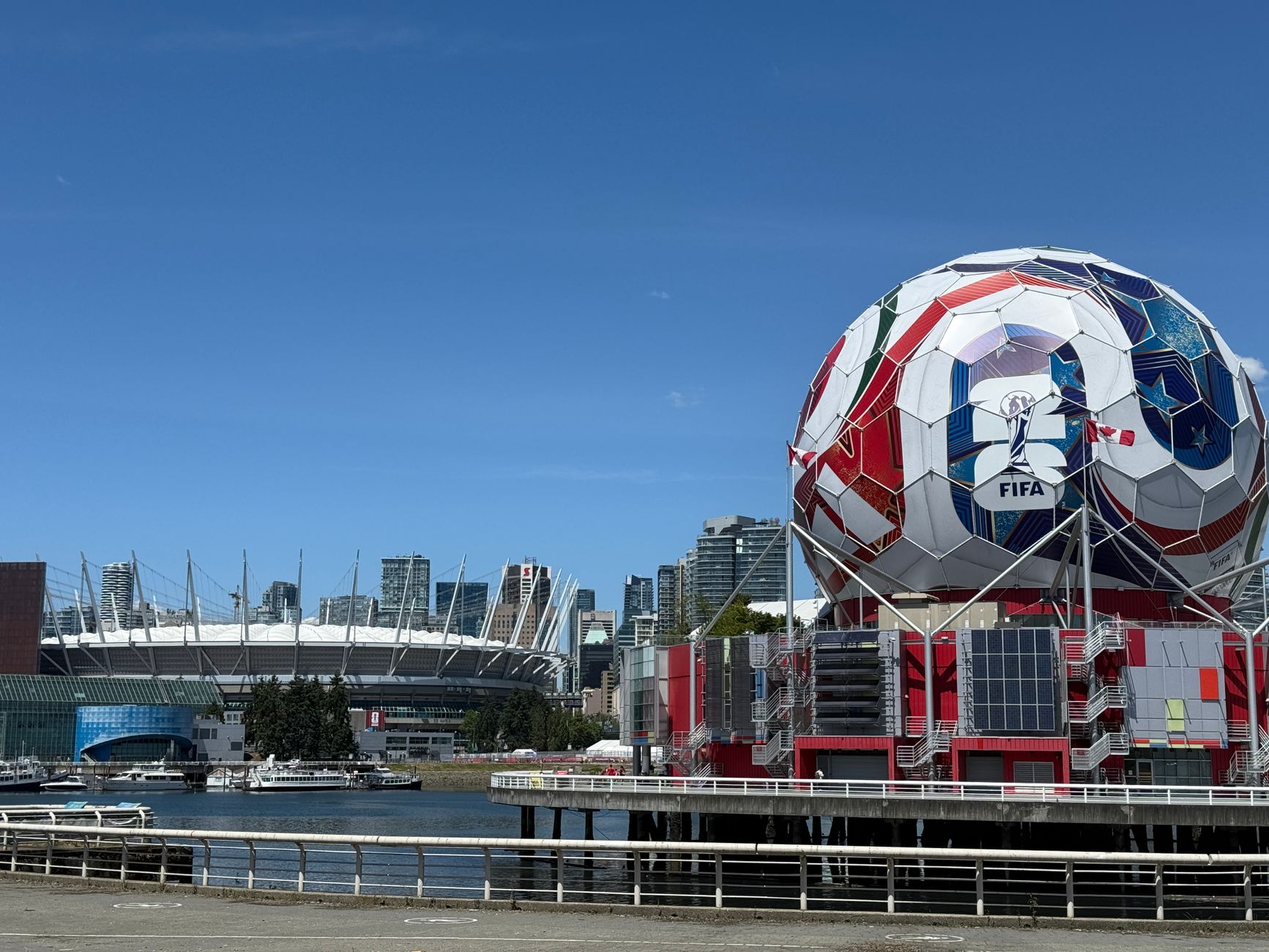
Photo by The Six on Pexels
How We Ranked Them
We ranked the three options using weighted criteria: live-football access at 30%, atmosphere at 25%, practical value at 20%, travel simplicity at 15%, and information reliability at 10%. These weights favor the actual fan experience while penalizing vague promotional promises. Kansas City leads because six scheduled matches improve the chance of obtaining a worthwhile fixture, while fan festivals lead on cost and public accessibility.
The ranking is not a betting prediction. It is a travel-and-experience model. World Cup Hub may publish match previews, tactical comparisons, player form, and market probabilities, but a forecast is not a guarantee. If a model assigns a team a 55% win probability, the implied outcome still fails 45% of the time before bookmaker margin, lineup changes, weather, and referee effects are considered. A disciplined bettor also compares implied odds with estimated probability rather than blindly selecting the most famous team.
Our evidence hierarchy is equally important:
- FIFA regulations and official schedules.
- Host-city authorities, venue operators, and transport agencies.
- Reputable national travel advisories.
- Established statistical providers and match databases.
- Promotional pages, social posts, and anonymous resale listings.
The FIFA World Cup history reference confirms the tournament’s global scale, while Kaggle and similar data platforms can support analysis but should not replace official competition information. A data set may contain old team ratings, missing player minutes, or duplicated fixtures. Before trusting a prediction, check the data date, sample size, injury status, and whether the model accounts for home venue effects.
A useful operational rule emerged from reviewing tournament planning information: confirm every major claim twice. First, locate the official source. Second, check whether the date, venue name, and access conditions still match. That extra five minutes has positive expected value because a cancelled booking or invalid resale ticket can cost hundreds of dollars. The glamorous part is the match. The unglamorous part protects the trip.

Photo by https://kaboompics.com/ on Pexels
Which Should You Pick?
Choose Kansas City if you want the strongest balance of live football, fan culture, and manageable regional planning. Choose the wider host-city network if you have a specific national team priority, a generous budget, and tolerance for cross-border logistics. Choose FIFA Fan Festival access if your goal is social atmosphere and match viewing at the lowest realistic daily cost.
The decision can be made with a simple scoring method. Give each option a score from 1 to 5 for team access, total cost, travel time, flexibility, and atmosphere, then multiply each score by your personal weights. A local Kansas City resident may assign cost and repeat access the highest values. An international supporter may prioritize a preferred team, visa requirements, and cancellation protection. There is no universal “best” choice; there is only the option with the highest expected utility for your constraints.
For betting-focused readers, separate entertainment money from essential money. Use a fixed budget, avoid chasing losses, and remember that tournament narratives often inflate prices on famous teams. [Internal Link: responsible World Cup betting guide] can help explain bankroll limits, odds conversion, and common market errors. World Cup Hub’s role is analysis, not certainty. The safest prediction is always that unexpected results remain statistically normal.
Get the tournament details before finalizing your plan.
The 2026 World Cup football experience will be defined by scale: 48 teams, 104 matches, three host countries, and 16 host cities. Kansas City stands out because its six-match schedule and fan programming create a coherent base rather than a single isolated event. Confirm official information, model the full trip cost, and keep your plan flexible; that combination offers the highest probability of enjoying the tournament without turning excitement into avoidable financial damage.
Explore more match intelligence and tournament coverage with World Cup Hub.
Frequently Asked Questions
Q: What is 2026 World Cup football?
A: 2026 World Cup football is the FIFA men’s international tournament hosted by Canada, Mexico, and the United States from June 11 to July 19, 2026. It will feature 48 teams and 104 matches, making it the largest World Cup edition by team count and total fixtures. Matches will be staged across 16 host cities. Check FIFA’s official schedule before relying on dates shared by unofficial websites.
Q: How do I plan a Kansas City World Cup trip?
A: Plan a Kansas City World Cup trip by confirming the match schedule, securing cancellable accommodation, and mapping stadium and fan-festival transport. Kansas City is scheduled to host six matches at the Arrowhead Stadium complex, so demand may rise sharply around high-profile fixtures. Compare the total cost of tickets, hotels, flights, parking, local transit, food, insurance, and cancellation fees before paying.
Q: What is the difference between a World Cup stadium ticket and a FIFA Fan Festival visit?
A: A stadium ticket provides entry to one scheduled match, while a FIFA Fan Festival visit generally provides public viewing and entertainment without stadium access. Fan festivals can offer better daily value, especially for local supporters or travelers already staying in the host city. However, entry rules, capacity limits, screening procedures, and programming vary, so verify the official host-city announcement.
Q: Is Kansas City worth visiting for the 2026 World Cup?
A: Kansas City is worth considering because it is scheduled to host six matches and offers a broader football program beyond the stadium. The city’s existing soccer culture, Arrowhead Stadium atmosphere, food scene, and planned fan activities strengthen its appeal. It may not be worthwhile if your preferred team is unlikely to play there or if accommodation prices exceed your travel budget.
Q: How much does it cost to attend the 2026 World Cup?
A: The cost varies widely, but a realistic budget must include tickets, accommodation, transportation, food, insurance, and possible visa or entry expenses. A local fan attending a public viewing event may spend less than $50 in a day, while an international stadium trip can reach several hundred or thousands of dollars. Treat unofficial resale prices as high-risk and use FIFA’s ticket channels first.
Q: What should I do if a World Cup ticket or travel booking fails?
A: Contact the official ticket provider, airline, hotel, or payment service immediately and preserve every confirmation, receipt, and message. Do not buy a replacement ticket from an anonymous seller before checking whether the original can be restored or refunded. If you are crossing Canada, Mexico, or the United States, contact the relevant border or travel authority because entry rules and processing times can affect your alternatives.
Q: Can World Cup Hub guarantee match predictions or betting results?
A: No, World Cup Hub cannot guarantee predictions or betting results because football outcomes remain uncertain even when statistical models identify a favorite. A 60% estimated win probability still implies a 40% chance of failure before bookmaker margin and late team news. Use predictions as information, set a fixed entertainment budget, and never wager money required for travel, housing, or essential expenses.
Thank you for reading.
World Cup Hub · Editorial Archive · 2026