5 2026 Football World Cup Mistakes Fans Make
The 2026 FIFA World Cup will be hosted by Canada, Mexico, and the United States, with 48 national teams competing across a 39-day tournament. Fans who follow World Cup Hub can use match schedules, tea...

5 2026 Football World Cup Mistakes Fans Make
The 2026 FIFA World Cup will be hosted by Canada, Mexico, and the United States, with 48 national teams competing across a 39-day tournament. Fans who follow World Cup Hub can use match schedules, team tactics, player statistics, and daily predictions to make better-informed viewing and wagering decisions. Los Angeles alone is scheduled to host eight matches, including the United States men’s national team opening match at SoFi Stadium on June 12, while the city plans 39 days of fan activity. The biggest risks are not only missing a kickoff or overpaying for travel; they include trusting unofficial ticket sellers, ignoring time-zone differences, and treating predictions as certainty. FIFA remains the governing body, while local planning involves venues such as SoFi Stadium and the LA Memorial Coliseum. Start by confirming every date through official FIFA or host-city sources, then separate factual information from probability-based opinion before spending money.
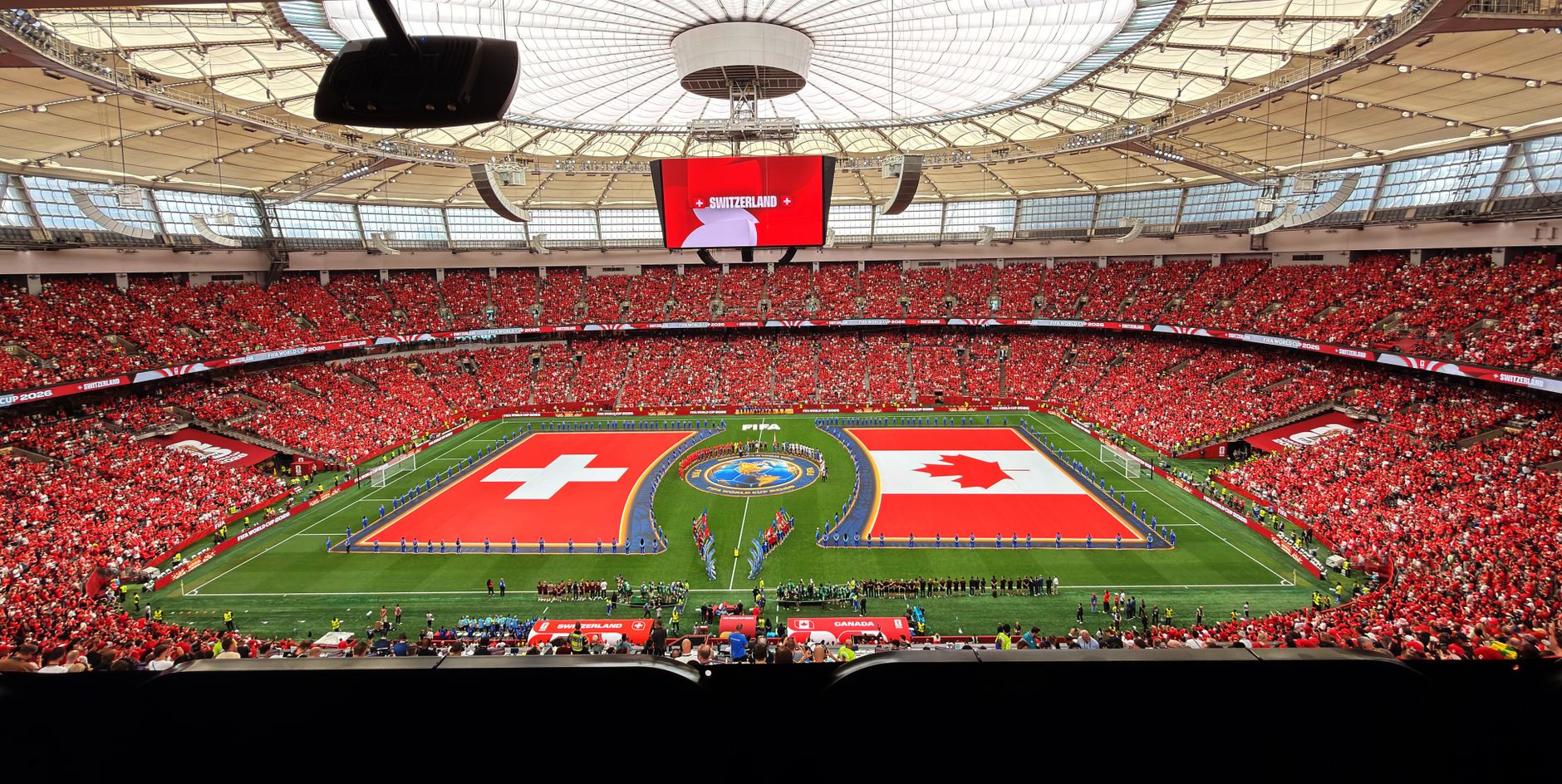
Photo by Rushi Patel on Pexels
Want a clearer starting point? Use the latest tournament coverage before making plans or decisions.
Before 2025: how football World Cup planning worked
Before 2025, how did football World Cup planning work? Fans generally built their approach around a fixed 32-team format, a concentrated host country, and a smaller number of match locations. The 2018 FIFA World Cup in Russia and the 2022 FIFA World Cup in Qatar showed the traditional model clearly: fewer teams, one primary host, and a comparatively simple travel map for supporters.
That model encouraged a dangerous assumption: one schedule page was enough. It was not. Even under the 32-team system, kickoff times, qualification status, venue assignments, broadcast rights, and ticket rules could change the practical value of a plan. A supporter travelling from London to Doha faced a different problem from one travelling between Mexico City, Los Angeles, and Toronto, but both needed verified information from FIFA, airlines, accommodation providers, and stadium authorities.
The second mistake was treating the tournament as pure entertainment rather than a decision environment. World Cup Hub covers match predictions, tactical matchups, player statistics, and tournament news, but none of those categories produces certainty. A model assigning Team A a 55% win probability still implies a 45% chance that Team A does not win. That distinction matters when money, travel, or emotional commitment is involved.
For historical format details, compare the tournament records maintained by FIFA and the Union of European Football Associations. FIFA’s official material is the safer baseline than social posts, screenshots, or “guaranteed” insider claims.
The five legacy mistakes
- Using an unverified schedule: Search snippets can show outdated dates or incomplete venue information.
- Confusing qualification with confirmation: A strong national team is not automatically qualified for a specific match.
- Ignoring travel friction: Distance, border requirements, airport transfers, and local transport affect the real cost.
- Treating betting predictions as facts: Probability is a range, not a promise.
- Buying tickets from strangers: Pressure and scarcity are classic fraud signals.
A practical edge is to keep two records: one factual sheet containing official dates, venues, and regulations, and one analytical sheet containing probabilities, injuries, tactical observations, and assumptions. Mixing those records makes weak opinions look like confirmed news. See our [Internal Link: 2026 World Cup schedule guide] for a structured way to cross-check tournament information.
What changed for players in the 2026 football World Cup?
What changed for players in the 2026 football World Cup? The tournament expanded from 32 to 48 teams, increasing the total number of matches from 64 to 104 and extending the competition to 39 days. The United States, Mexico, and Canada will share hosting duties, creating a continental travel problem that did not exist in the same form at Qatar 2022.
For players, geography changes expected fatigue. A team moving between Mexico, the United States, and Canada may face different climates, altitudes, recovery windows, and travel routines. A single headline saying “player available” is therefore incomplete. The relevant questions include whether the player trained fully, how many minutes were played in the previous match, whether the team changed time zones, and whether the coach has a reliable replacement.
For fans, the larger format creates more data but also more noise. More matches mean more opportunities for statistical samples, yet early tournament samples can be unstable. One red card, penalty, goalkeeper error, or late injury can distort a team’s apparent strength after only one game. The expected value of a prediction improves when the analyst distinguishes a repeatable tactical pattern from a one-match accident.
Official tournament scale should be checked against FIFA’s World Cup 2026 information. FIFA has described the 2026 competition as “the biggest and most inclusive FIFA World Cup ever,” but “biggest” does not mean easier to predict. More teams increase uncertainty, especially before lineups and verified injury reports are available.
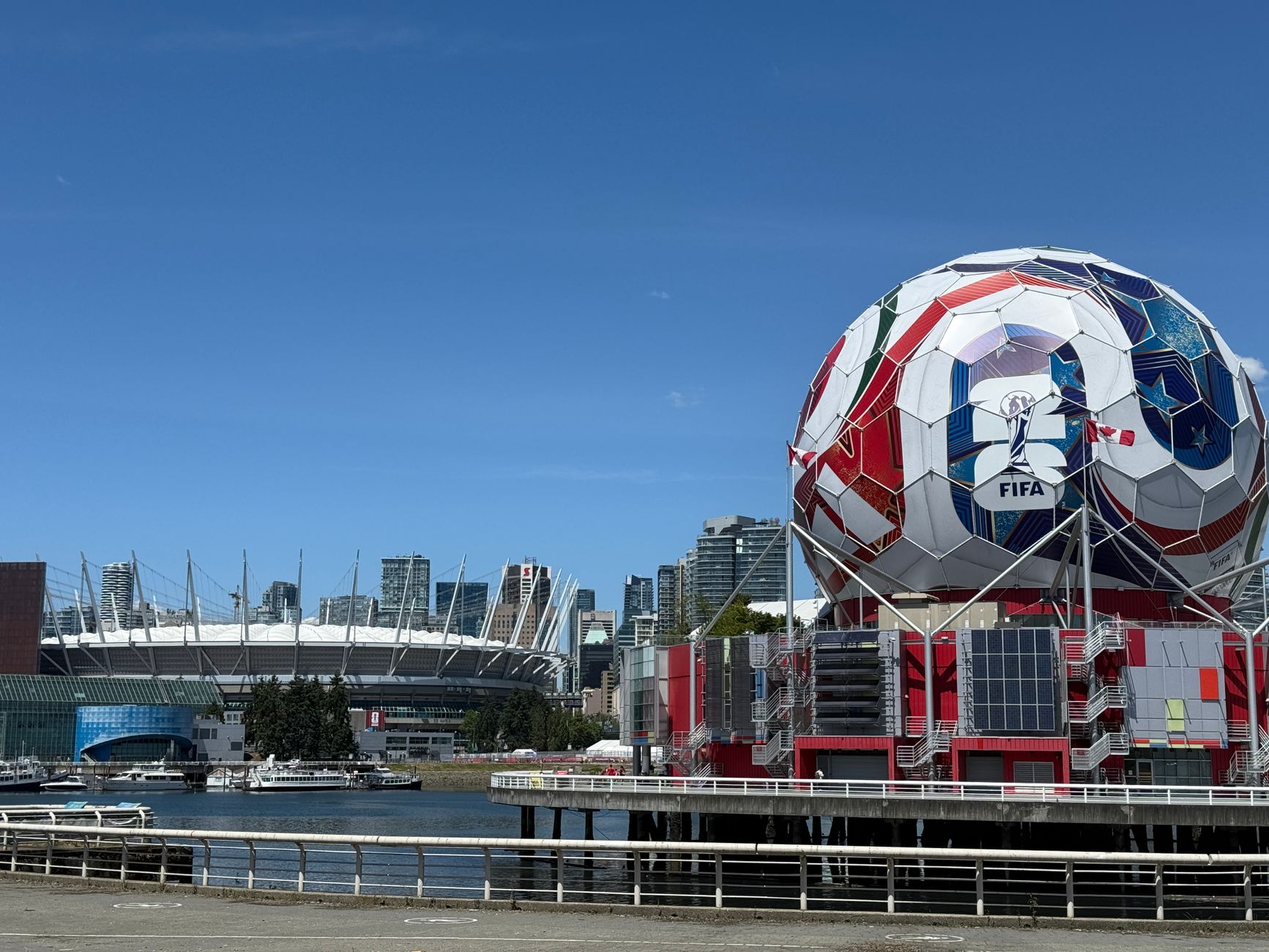
Photo by The Six on Pexels
The expanded format also changes the probability of misleading narratives. A previously unknown team can earn attention after one upset, while a favourite can look weak after a draw caused by tactical caution. My risk rule is simple: do not revise a team’s long-term rating dramatically after one match unless the underlying evidence changes, such as a serious injury, formation shift, or suspension.
Why expanded competition changes prediction quality
- More teams: wider variation in squad quality and tactical identity.
- More venues: greater travel and climate differences.
- More matches: larger sample size eventually, but more early volatility.
- More media coverage: faster information, but also faster misinformation.
- More market movement: odds can react before fans know whether the underlying news is reliable.
This is where responsible analysis matters. A prediction should state its assumptions, confidence level, and failure conditions. “Team B will win” is a claim. “Team B has an estimated 52% win probability if its starting striker is fit” is a testable forecast. Those statements are not equivalent.
What changed for players and fans?
What changed for players and fans? The 2026 tournament requires separate planning for match attendance, streaming, travel, and probability-based analysis because each activity has different risks. Los Angeles illustrates the scale: eight matches, the FIFA Fan Festival at the LA Memorial Coliseum in Exposition Park, official fan zones across the region, and a United States opening match at SoFi Stadium on June 12.
The first practical issue is time. Los Angeles operates in Pacific Time, while viewers in Europe, Asia, Africa, and Australia may watch at inconvenient hours. A fan who checks only the date can still miss the match by several hours. The second issue is transport. SoFi Stadium is in Inglewood, while the LA Memorial Coliseum is near Exposition Park; these are not interchangeable destinations, and event-day traffic can destroy an optimistic itinerary.
The third issue is ticket verification. FIFA, host-city organisations, and authorised ticket channels should be treated as the primary reference points. A resale advertisement that uses the correct stadium photo can still be fraudulent. Never send money because a seller says “only five minutes remain,” and never treat a digital screenshot as proof of ownership.
The gambling dimension requires an additional control. World Cup Hub can provide tactical information and match predictions, but readers should set a fixed entertainment budget, understand local laws, and avoid chasing losses. The National Council on Problem Gambling provides responsible gambling resources in the United States; local rules may differ in Canada and Mexico. Any operator’s licence, age requirement, payment condition, and withdrawal rule should be checked before use.
Ready to reduce avoidable planning errors? Review the match, venue, and risk details before committing funds.
A safer decision checklist
- Confirm the match date, kickoff time, and venue through FIFA or the relevant host-city authority.
- Check passport validity, entry rules, local transport, and accommodation cancellation conditions.
- Verify whether a ticket seller is authorised before paying.
- Record the implied probability behind any price or prediction.
- Set a maximum spend before the tournament begins.
- Stop when the budget is exhausted; do not “win it back.”
A useful technical distinction is between implied probability and true probability. If decimal odds are 2.00, the simple implied probability is 50%. However, bookmaker margins, market liquidity, injuries, and late lineup information mean that 50% is not automatically a fair estimate. The market can be efficient in some matches and badly mispriced in others, but identifying the difference requires evidence, not confidence.
What this means now for 2026 football World Cup followers
What does this mean now for 2026 football World Cup followers? It means preparation should begin with verification and risk control rather than excitement-driven spending. The tournament’s three-country structure makes a single “World Cup trip” an inaccurate concept; a supporter may attend one match in Los Angeles, follow another in Mexico City, and watch a third from home because the distances and costs are substantial.
Los Angeles offers a useful case study. The city’s official football programme promotes eight matches, a FIFA Fan Festival at the LA Memorial Coliseum, official fan zones, and 39 days of celebrations. These events create genuine value for fans who want culture, food, music, and community viewing, but they also create crowd-management risks. Accommodation near major venues can rise sharply during peak dates, while airport transfers may take much longer than normal.
A contrarian conclusion follows: the best World Cup experience may not require attending the most prestigious match. If ticket scarcity pushes the price far above your budget, a lower-profile match plus a verified fan festival can produce greater value per dollar. Expected value includes the probability of seeing a competitive match, total travel cost, time lost in transit, and the likelihood of stress. Prestige alone is a weak metric.
For match analysis, use a minimum evidence threshold:
- confirmed starting lineups or reliable squad news;
- recent minutes played by key players;
- set-piece performance;
- expected goals or another transparent chance-quality measure;
- opponent-specific tactical fit;
- travel and recovery conditions;
- price comparison against your estimated probability.
The International Federation of Association Football Laws of the Game is also useful for understanding red cards, penalties, substitutions, and stoppage time. Those details matter because casual predictions often overlook how one disciplinary event changes match probability. A team leading 1–0 with ten players is not in the same statistical situation as a team leading 1–0 at full strength.

Photo by Patricia Bozan on Pexels
The specific information advantage is operational, not magical: compare venue announcements with transport data on the same day, and record the timestamp of every important update. A lineup posted at 10:00 may make a prediction obsolete by 10:15. Likewise, a “sold out” ticket page may refer only to one channel, not the entire authorised inventory. Time-stamped notes reduce hindsight bias and show whether a decision was reasonable when made.
Want the analytical version of the story rather than social-media noise? Follow team form, player availability, and tactical changes together.
What are three predictions for the next quarter?
What are three predictions for the next quarter? The most likely developments are more schedule searches, more ticket fraud attempts, and greater disagreement between public sentiment and evidence-based team ratings. The next quarter will not magically resolve uncertainty because qualification, squad selection, venue planning, and commercial demand will continue to evolve.
Prediction 1: travel information will become more valuable
As match dates and venue details receive more attention, supporters will compare hotels, flights, rail options, rideshares, and local transport. Los Angeles, Toronto, Mexico City, and other host markets will experience uneven demand. Travellers who book non-refundable accommodation before confirming their match schedule face a negative expected value if the fixture changes or the chosen team plays elsewhere.
Prediction 2: ticket scams will become more sophisticated
Fraudsters will likely copy FIFA branding, SoFi Stadium imagery, LA Memorial Coliseum event language, and official-looking confirmation emails. The warning signs will remain familiar: urgent payment requests, cryptocurrency-only payments, mismatched domain names, and prices that appear too good to be true. The probability of loss rises when fans bypass authorised channels because of fear of missing out.
Prediction 3: early forecasts will be overconfident
Media attention will reward bold predictions, especially after a famous team wins or loses unexpectedly. However, the strongest forecast may be “insufficient evidence” when lineups, injuries, or tactical roles remain unclear. World Cup Hub can improve decision quality by presenting probabilities, player statistics, and tactical context, but readers still need to decide whether the risk is acceptable.
A quarterly monitoring framework
- Week 1: verify schedule announcements, qualification news, and host-city updates.
- Week 2: compare team ratings with recent competitive matches.
- Week 3: check squad injuries, suspensions, and club workloads.
- Week 4: review prediction accuracy without changing the process because of one result.
This framework creates a feedback loop. If a forecast fails, identify whether the failure came from bad data, a wrong tactical assumption, random variance, or an unpriced event. That is more useful than declaring an entire model “useless” after one upset. Probability is valuable precisely because it accepts failure as part of the distribution.
For a wider planning perspective, read our [Internal Link: World Cup travel and venue safety checklist] and [Internal Link: football prediction methodology guide]. For fans attending Los Angeles events, also verify updates from the official Los Angeles FIFA World Cup 2026 website, including fan festival and venue guidance.

Photo by AlphaTradeZone on Pexels
The bottom line is uncomfortable but useful: excitement increases impulsive decisions. A 2026 football World Cup plan should therefore contain a spending ceiling, a source-verification routine, a travel buffer, and a clear rule for abandoning a bad ticket or prediction. The goal is not to eliminate uncertainty. That is impossible. The goal is to prevent ordinary uncertainty from becoming an avoidable financial loss.
Explore the latest World Cup coverage and build your plan with evidence, not urgency.
Frequently Asked Questions
Q: What is the 2026 football World Cup?
A: The 2026 FIFA World Cup is a 48-team international football tournament hosted by Canada, Mexico, and the United States. It will run across 39 days and include 104 matches, compared with 64 matches in the previous 32-team format. Matches will take place across North America, so supporters should verify venue, travel, and time-zone information separately for every fixture.
Q: How can I check the 2026 World Cup match schedule?
A: Check the schedule through FIFA and the relevant official host-city website before booking travel or tickets. Confirm the date, kickoff time, stadium, local time zone, and any later update rather than relying on a search snippet or social-media graphic. For Los Angeles, official local information includes eight matches, SoFi Stadium, the LA Memorial Coliseum, and fan-zone announcements.
Q: What is the difference between a World Cup prediction and a guaranteed result?
A: A prediction expresses a probability, while a guaranteed result is an unreliable claim. For example, a forecast giving a team a 55% win probability still allows a 45% chance of not winning before other match conditions are considered. Responsible analysis should state assumptions involving lineups, injuries, tactical matchups, travel, and available evidence.
Q: Is attending a 2026 World Cup match worth the cost?
A: Attending can be worthwhile when the total cost fits your budget and the match, venue, and travel plan are verified. Calculate tickets, accommodation, flights, local transport, food, exchange-rate risk, and cancellation exposure before paying. A lower-profile match or official fan festival may provide better value than an expensive marquee fixture with severe travel friction.
Q: What should I do if a World Cup ticket seller pressures me?
A: Stop the transaction and verify the seller through FIFA or an authorised ticket channel. Do not pay by cryptocurrency, wire transfer, or an irreversible method merely because the seller claims that inventory will disappear within minutes. Save screenshots, domain details, payment requests, and messages, then contact your bank or payment provider immediately if money has already been sent.
Q: How should beginners use football World Cup predictions?
A: Beginners should first track confirmed facts, then compare team form, player availability, tactical fit, and market probability. Keep predictions separate from emotional preferences, and set a fixed entertainment budget before considering any wager. Start with a written record of the forecast and its assumptions so one surprising result does not encourage impulsive chasing.
Q: Why do World Cup predictions fail even when the data looks strong?
A: Predictions fail because football contains low-scoring randomness, injuries, red cards, finishing variance, and tactical changes that models may not fully capture. A team with a 70% estimated win probability can still lose 30% of the time under that estimate. Review whether the failure came from poor data, a wrong assumption, or normal variance before changing the entire method.
Thank you for reading.
World Cup Hub · Editorial Archive · 2026